
Mould in Your Air Conditioner Isn’t Just Gross – It’s Dangerous
Living on the Sunshine Coast means hot summers, coastal breezes… and unfortunately, plenty of moisture in the air. That subtropical humidity creates the perfect breeding ground for mould — especially inside your air conditioner.
And if it’s been a while since your last AC clean, chances are mould is already forming in places you can’t see.
Why Air Conditioners Are a Prime Spot for Mould
When your air conditioner is running, warm air is drawn in and passed over cold evaporator coils — a process that naturally creates condensation. Add high humidity and poor airflow, and you’ve got a damp, dark environment ideal for mould growth.
Mould can build up in:
- Filters
- Fan blades
- Coils and fins
- Internal casing
- The drip tray and drainage lines
- Inside ductwork (especially in ducted systems)
Once it takes hold, mould spores are easily spread every time your AC is turned on — circulating throughout your home and into your lungs.
Signs You May Have Mould in Your Air Conditioner
Not sure if your system is affected? Here are some common warning signs:
- A musty or damp smell when the AC is running
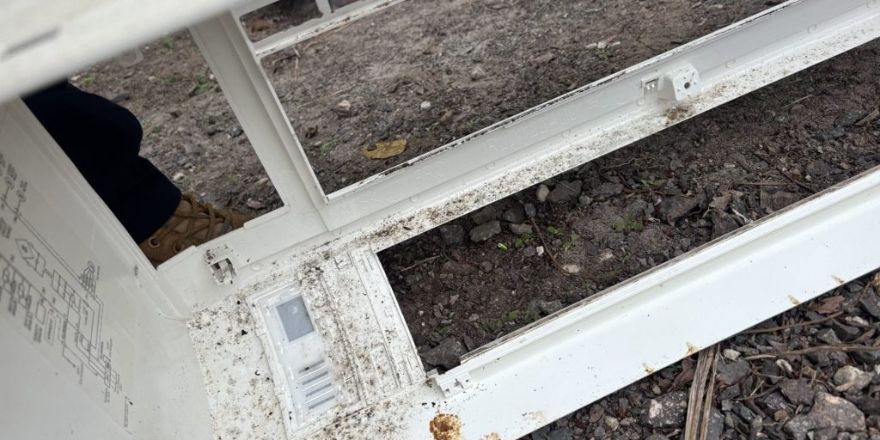
- Visible black or grey spots inside the indoor unit (especially around the fan)
- Increased allergy or asthma symptoms at home
- Sinus issues, sore throat, or coughing after using the AC
- Reduced cooling efficiency or odd noises
If any of these sound familiar, it’s time to act.
Why Mould in Your AC Is a Serious Problem
Aside from being unpleasant, mould can have real consequences — especially in a sealed indoor environment.
Health risks include:
- Asthma attacks and flare-ups
- Allergic reactions (sneezing, rashes, eye irritation)
- Respiratory irritation or chronic coughing
- Fatigue, headaches, or sinus problems
- Increased risk for children, elderly residents and those with immune conditions
System risks include:
- Blocked drainage lines leading to leaks
- Reduced airflow and cooling performance
- Strain on components (causing breakdowns)
- Higher running costs due to inefficiency
In short: mould makes your air conditioner work harder, smell worse, and affect your health.
Ducted vs Wall-Mounted Units: Where Mould Hides
Mould doesn’t affect all systems the same way. Here’s how it shows up in common setups:
Ducted Systems
- Mould can grow deep within ductwork, making it hard to detect.
- Often, by the time you smell it or feel its effects, it’s widespread.
- Professional duct inspection and cleaning are essential.
Wall-Mounted Split Systems
- Mould often grows on fan blades, behind the filters, or within the housing.
- Some can be cleaned at home — but many areas require a pro to reach safely.
How Often Should You Clean Your Filters?
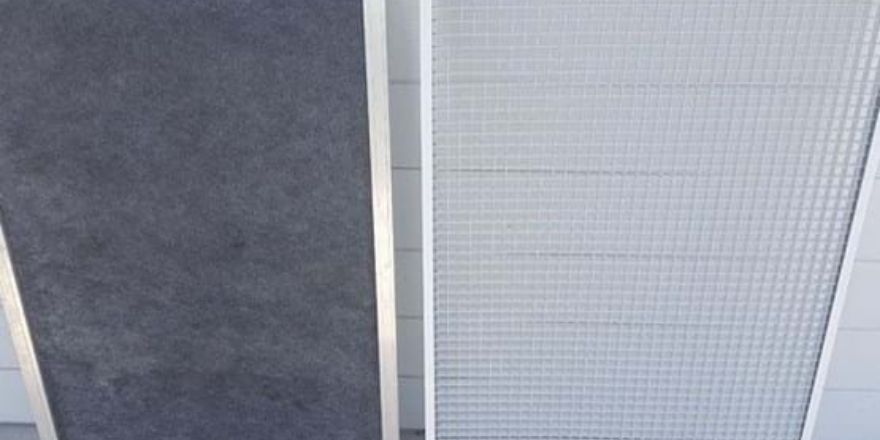
Your air conditioner’s filters are the first line of defence against airborne particles and mould spores. Clean filters improve both air quality and system performance.
We recommend:
- Cleaning filters every 1–3 months, depending on usage
- More frequent cleaning during summer or storm season
- Monthly cleaning if you have pets, allergies, or live near the beach
- Replacement filters every 1–2 years or as needed
Blocked filters = stale air, mould risk, and higher power bills.
Why You Need Professional AC Servicing on the Sunshine Coast
A proper service goes far beyond a basic rinse. At The Cool Shop, our experienced technicians perform deep cleans designed to eliminate and prevent mould at the source.
Our servicing includes:
✅ Cleaning and sanitising indoor unit components (fans, coils, casing)
✅ Clearing blocked drains and trays to stop water pooling
✅ Checking for early mould signs inside ducting
✅ Optional treatments to inhibit future mould growth
✅ Performance checks to ensure airflow and cooling are optimal
We also offer rust protection for outdoor units — ideal for coastal homes where salt and moisture combine to accelerate wear and mould risk.
Tips to Prevent Mould in Your AC All Year Round
- Use the ‘dry’ or ‘fan’ mode for 15–30 minutes after heavy use — this helps clear residual moisture.
- Keep doors and windows closed during operation to reduce outside humidity coming in.
- Don’t set the temperature too low — aim for a comfortable 23–25°C to avoid excessive condensation.
- Clean your filters regularly — it’s easy to do and can make a huge difference.
- Schedule annual professional servicing — especially after summer or storm season.
Time to Clean? Don’t Delay.
If you notice mould, musty smells, or you can’t remember the last time your system was serviced — it’s time to get on top of it.
On the Sunshine Coast, where moisture and heat are year-round realities, air conditioning maintenance is essential — not just for comfort, but for your health.
Book a Professional Clean or Service with The Cool Shop Today
📍 2/3–5 Runway Drive, Marcoola
📞 (07) 5450 5000
💻 Request a Service Online
We service homes across Noosa, Coolum, Bli Bli, Maroochydore, Buderim, Caloundra and surrounds.