Why Your Air Conditioner Struggles on Really Hot Days
Understanding why your air conditioner works harder during a Queensland summer
Summer on the Sunshine Coast can be relentless. Between soaring temperatures, high humidity and those particularly uncomfortable days when there’s barely a breeze, our air conditioners certainly earn their keep.
But have you ever noticed that your air conditioner seems to struggle on extremely hot days? Perhaps it’s running continuously, taking longer to cool your home, or simply not reaching the temperature you’ve set on the remote.
Before assuming something is wrong with your system, it’s worth understanding what’s actually happening.
1. The Hotter It Gets Outside, the Harder Your Air Conditioner Works
Air conditioners don’t create cold air. They remove heat from inside your home and transfer it outdoors.
As outdoor temperatures rise, your air conditioning system has to work harder to release that heat into the already hot outside air.
On particularly hot days, this can reduce the system’s cooling capacity and efficiency. Even a correctly sized, well-maintained air conditioner may take longer to reach your desired indoor temperature during extreme conditions.
The important thing to remember: Your air conditioner has operating limits, and its performance naturally varies depending on outdoor conditions.
2. Your Home Is Constantly Absorbing Heat
Your air conditioner isn’t just cooling the air inside your home. It’s also battling the heat entering through your roof, walls, windows and doors.
Several factors can significantly increase the cooling load:
- Large windows and glass doors: Direct sunlight can introduce substantial heat, particularly through west-facing glass in the afternoon.
- Poor insulation: Heat entering through the roof and walls can make it difficult to maintain a comfortable indoor temperature.
- High ceilings: Larger room volumes can require greater cooling capacity.
- Open-plan living areas: Large interconnected spaces can be more challenging to cool effectively.
- Frequent opening of doors: Every time warm outdoor air enters, your system has additional heat and moisture to remove.
These factors are particularly relevant to many Sunshine Coast homes, where open-plan designs, large windows and indoor-outdoor living are popular.
Closing blinds or curtains during the hottest part of the day can make a noticeable difference.
3. Humidity Makes Your Air Conditioner Work Harder Too
Anyone who has experienced a Sunshine Coast summer knows that temperature is only part of the story.
Humidity plays a significant role in how comfortable we feel.
Your air conditioner removes moisture from the air as part of the cooling process. When humidity levels are high, the system must deal with both the heat in the air and the additional moisture.
This means some of its cooling capacity is being used to remove humidity rather than simply lowering the air temperature.
It’s one reason why a humid 30°C day can feel considerably more uncomfortable than a dry day at the same temperature.
A properly sized air conditioner helps manage both temperature and humidity, improving overall indoor comfort.
4. Turning Your Air Conditioner Down to 16°C Won’t Cool the Room Faster
This is one of the most common misconceptions about air conditioning.
When you walk into a hot house, it’s tempting to grab the remote and turn the temperature down as low as it will go.
However, setting your air conditioner to 16°C doesn’t magically increase its maximum cooling capacity.
Your system will work towards the temperature you’ve selected, but setting an unnecessarily low target won’t make it capable of removing heat faster than its design allows.
With an inverter air conditioner, the compressor adjusts its output according to cooling demand and operating conditions.
On a very hot day, the system may already be working near its maximum available capacity, regardless of whether you’ve selected 16°C or 24°C.
Our advice: Start with a comfortable setting around 24–26°C and adjust according to your preferences and indoor conditions.
5. Your Air Conditioner Might Be the Wrong Size
Bigger isn’t always better when it comes to air conditioning, but neither is undersizing a system to save on the initial purchase price.
An undersized air conditioner may struggle to maintain comfortable temperatures during hotter weather, particularly in rooms with high heat loads.
On the other hand, an oversized system can create its own problems, including reduced humidity control and unnecessary installation costs.
Correct sizing involves much more than measuring the floor area of a room.
A professional assessment should consider factors such as:
- Room dimensions and ceiling heights
- Window sizes, orientation and glazing
- Insulation levels
- Sun exposure
- Room layout and intended use
- Local environmental conditions
At The Cool Shop, we provide free on-site quotes because we believe every home deserves an air conditioning solution suited to its individual requirements.
6. Maintenance Makes a Difference
While extreme heat can affect even a perfectly functioning air conditioner, poor maintenance can make the situation considerably worse.
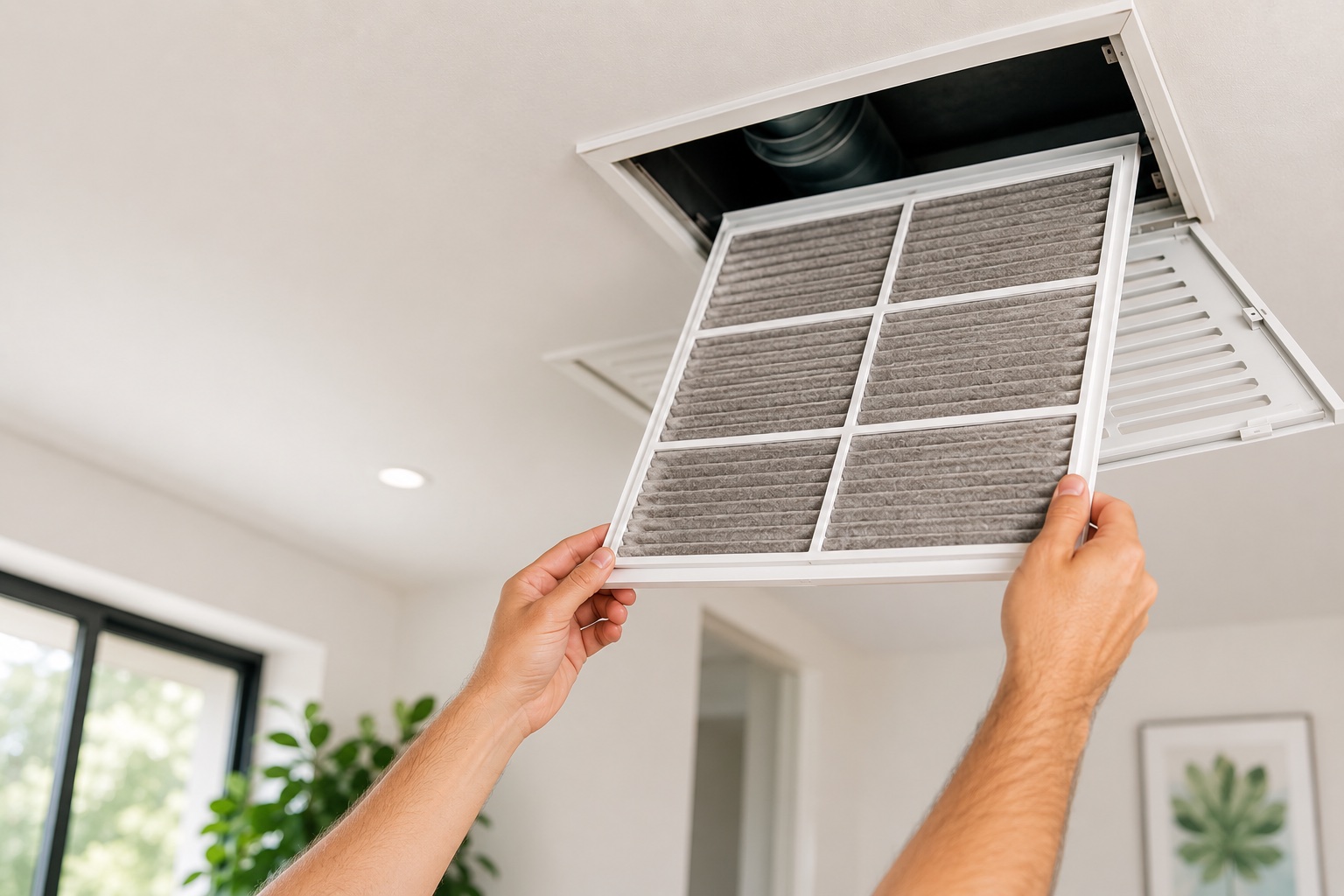
Dirty filters restrict airflow, making it harder for the system to circulate cooled air effectively.
Outdoor units also need adequate airflow to release heat. Leaves, vegetation, debris or other obstructions around the unit can reduce performance.
Regular filter cleaning and professional servicing can help maintain efficiency, identify developing problems and keep your system operating as intended.
If your air conditioner is struggling even during moderate weather, producing unusually weak airflow, making unfamiliar noises or failing to cool effectively, it may be time to have it professionally inspected.
7. Simple Ways to Help Your Air Conditioner on Hot Days
There are several practical things you can do to reduce the cooling load on your system:
- Close curtains and blinds before direct sunlight heats the room.
- Keep external doors and windows closed while cooling.
- Clean your return air or indoor unit filters regularly.
- Keep outdoor units clear of vegetation and obstructions.
- Use ceiling fans to help circulate air and improve comfort.
- Avoid generating unnecessary indoor heat during the hottest part of the day.
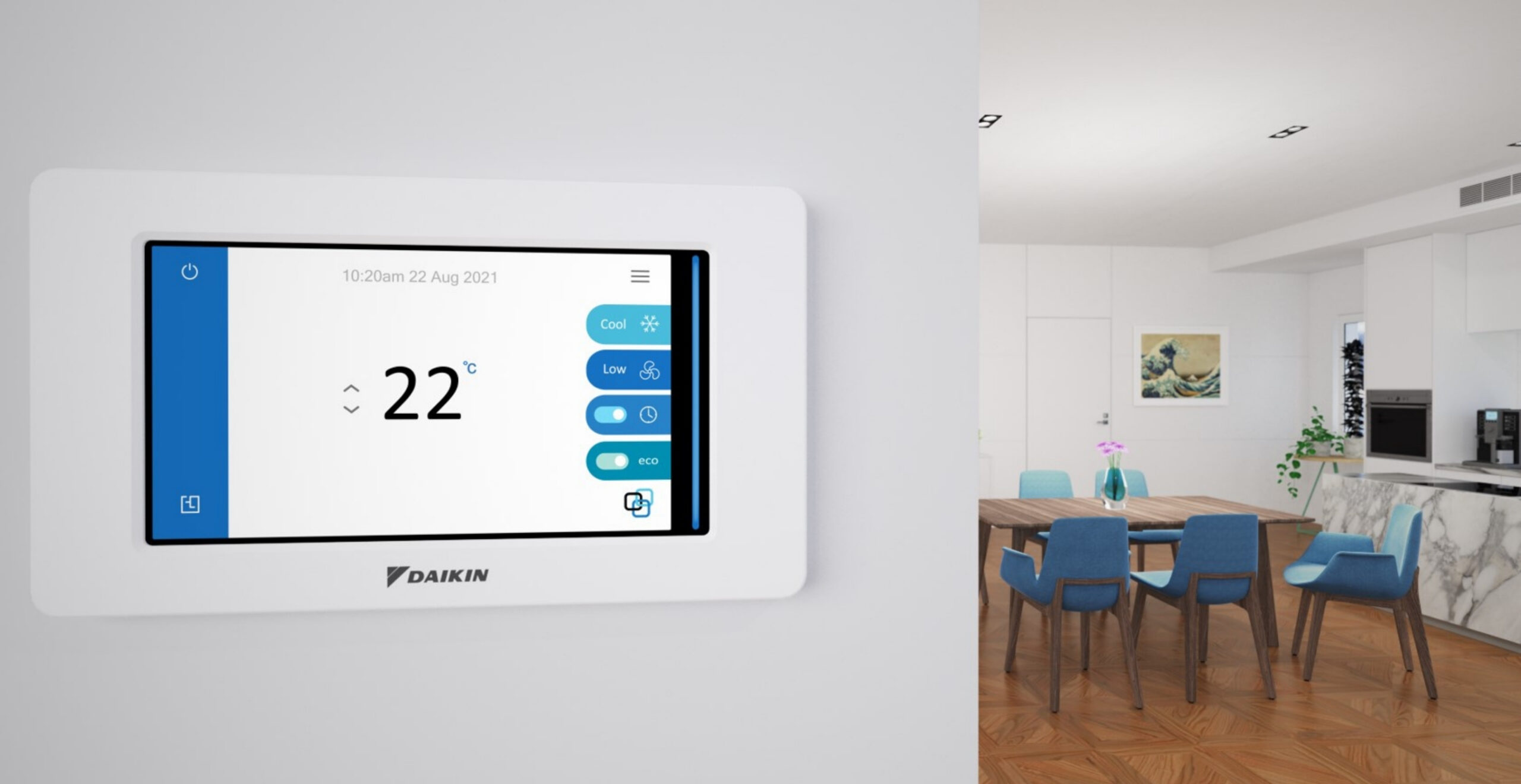
- Set a realistic, comfortable temperature rather than automatically selecting the lowest setting.
Small changes can make a significant difference to indoor comfort and help reduce unnecessary energy consumption.
When Should You Be Concerned?
It’s normal for air conditioners to work harder during extreme summer conditions.
However, if your system consistently struggles to cool your home, runs continuously without achieving reasonable temperatures, or has noticeably deteriorated in performance, there may be an underlying issue.
Possible causes include restricted airflow, maintenance issues, equipment faults or a system that isn’t adequately sized for the space.
Rather than simply accepting poor cooling performance, it’s worth having the system assessed.
Stay Comfortable This Sunshine Coast Summer
Queensland summers can be demanding, but your home should still be a comfortable place to escape the heat.
Understanding how outdoor temperatures, humidity, insulation and system sizing affect air conditioning performance can help you get the most from your system.
Whether you’re considering a new split system, upgrading your existing air conditioning or exploring ducted air conditioning for your home, choosing the right solution makes all the difference.
The Cool Shop is your local Sunshine Coast Daikin Super Dealer, providing professional air conditioning advice, installation and servicing across the Sunshine Coast and hinterland.
Thinking about upgrading your air conditioning before summer really heats up?
Contact The Cool Shop today to arrange your FREE on-site quote and discover the right cooling solution for your home.